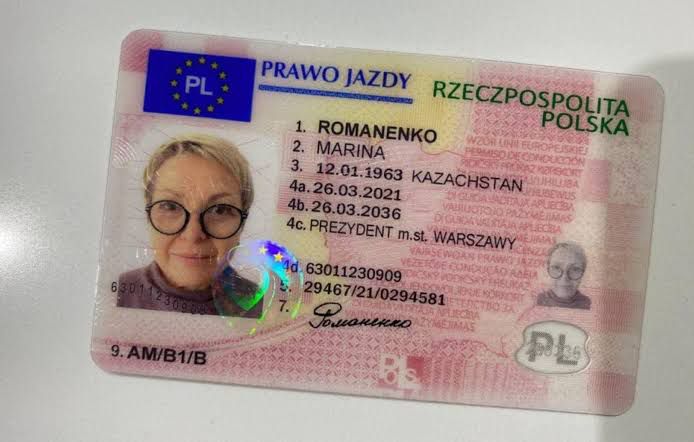
A Comprehensive Guide on Buying a Driving License Legally and Ethically
The capability to drive can significantly improve an individual's lifestyle, offering the flexibility to take a trip for work, leisure, and emergency situation purposes. Nevertheless, the process of getting a driving license can often be troublesome and lengthy. In Prawo Jazdy Online , individuals may ponder purchasing a driving license through illegal ways. This post looks for to clarify the legal opportunities to acquire a driving license, the threats related to prohibited deals, and regularly asked questions about the driving license acquisition procedure.
Comprehending the Importance of a Driving License
A driving license works as more than just an authorization to operate a lorry; it is also a crucial element of individual identification and legal recognition. Here are numerous vital reasons that a driving license is essential:
- Legal Compliance: Driving without a legitimate license is illegal in a lot of jurisdictions and can cause charges, fines, and legal concerns.
- Identification: A driving license frequently acts as a primary kind of ID for personal confirmation and age-related restrictions.
- Security Assurance: Obtaining a license requires passing a series of tests that make sure the motorist possesses the essential abilities and knowledge to run an automobile safely.
- Insurance Requirements: Most vehicle insurance policies need legitimate chauffeur's licenses to make sure that the insured chauffeur is legally permitted to run the car.
Legal Steps to Acquire a Driving License
While purchasing a driving license might look like a quick option, it presents major legal risks and consequences. Rather, people should follow these legal actions:
Step 1: Determine Eligibility
Eligibility for a driving license can vary by state or country. Usually, the requirements include:
- Minimum age-- Usually 16 years or older.
- Evidence of identity-- A birth certificate, passport, or other kinds of ID.
- Residency-- Proof of home in the issuing location.
Action 2: Obtain a Learner's Permit
Before getting a complete driving license, applicants often very first acquire a learner's license, which permits them to practice driving under specific restrictions.
- Evaluating: Pass a written knowledge test on traffic rules and policies.
- Charges: Pay any suitable fees connected with the student's authorization.
Action 3: Practice Driving
Most areas need a specified number of monitored driving hours before one can continue to the licensing phase.
Step 4: Schedule a Road Test
Upon satisfying the practice requirements, the next step is to set up a road test to demonstrate driving competence.
Step 5: Submit Application and Fees
Once the driving test is successfully finished, send the application for a driving license together with essential charges to the licensing authority.
Action 6: Receive Driving License
After approval, the driving license is provided, allowing people to drive legally.
Dangers of Buying a Driving License
Purchasing a driving license from unverified sources can cause extreme repercussions:
- Legal Consequences: Engaging in fraudulent activities can lead to criminal charges, fines, or imprisonment.
- Security Risks: Untrained people driving without correct licenses may endanger others and themselves on the roadway.
- Financial Loss: The money spent on a fraudulent license is generally irrecoverable, along with possible fines if caught.
Frequently asked question Section
1. Can I utilize a foreign driving license in my home country?
Response: Many nations enable short-lived usage of a foreign driving license, but it is advisable to examine local guidelines. An International Driving Permit (IDP) can often supplement a foreign license.
2. What files are normally needed to make an application for a driving license?
Response: Common documents include:
- Proof of Identity (ID card, passport)
- Proof of Residence (utility bill, rental contract)
- Social Security Number (in certain jurisdictions)
3. The length of time is a driving license valid?
Response: Most driving licenses are valid for 3 to ten years, depending upon the local guidelines. Renewal is frequently needed before the expiration date.
4. What should I do if my driving license is lost or taken?
Response: Report the loss to the pertinent authorities and supply needed details for them to provide a replacement.
5. Can I drive if my license is expired?
Answer: Driving with an expired license is prohibited and can cause charges. It is best to restore the license before driving.
Acquiring a driving license is an essential aspect of accountable driving and individual mobility. While the temptation to buy a driving license might appear appealing for those wanting to bypass the prolonged treatment, such actions ultimately lead to substantial threats that far surpass the convenience. For that reason, adhering to legal processes is important. By following a structured path toward getting a driving license, people guarantee they are not only compliant with the law but likewise equipped with the needed abilities to be safe and accountable motorists.
Table of Comparison: Legal Process vs. Buying a License
| Aspect | Legal Process | Buying a License |
|---|---|---|
| Legality | Completely legal and compliant | Unlawful; prospective criminal charges |
| Safety | Skills-tested; guarantees safe driving | No abilities validation; high threat |
| Cost | Numerous charges, capacity for a higher long-term expense (insurance coverage) | Initial lower cost; long-term monetary effects |
| Identification | Recognized and respected ID | Typically not recognized; risk of fraud |
| Assurance | Peace of mind and adherence to the law | Consistent worry of legal actions |
By comprehending the significance of a driving license and the effects of prohibited procurement, people are much better positioned to make informed, ethical choices about their driving benefits.